Back
Back
The Best Digital Pianos for 2026: A Comprehensive Guide
Buying a digital piano in 2026 means picking your side of a genuinely blurred line: today's best instruments pair real wood-and-felt piano mechanics with sound engines advanced enough that some digital keys respond almost like a concert grand. Whether you're setting up a first-time student's bedroom, upgrading a home studio, or shopping for a touring rig, this guide breaks down the standout 2026 models by budget and skill level — then digs into the technology that makes each one tick.
Across the lineup, manufacturers continue to push sound synthesis, key-action technology, and smart connectivity forward, to the point where the line between acoustic and digital instruments is genuinely blurred. Here's where to start, and what's actually worth paying for.
Best Picks for Every Budget and Player
For beginners and budget-conscious buyers, the Roland FP-E50 stands out at around $899–$999, offering exceptional value with its SuperNATURAL sound engine and PHA-4 Standard action. Its rhythm accompaniments, mic input, and onboard recording make it a versatile pick for developing musicians.
Intermediate players should consider the Kawai ES920, priced around $1,699, which pairs the responsive Responsive Hammer III action with Shigeru Kawai SK-EX and EX grand piano samples and comprehensive connectivity. A long-standing category favorite, it remains one of the best portable digital pianos you can buy.
Professional pianists and serious enthusiasts will find the recent Yamaha CLP-885 irresistible. At approximately $7,700–$9,800 depending on finish, this flagship Clavinova features the GrandTouch keyboard, CFX and Bösendorfer Imperial samples, and binaural sampling for an immersive headphone experience.
For those seeking the ultimate digital piano experience regardless of price, Kawai's new flagship hybrid, the Novus NV12 — which replaced the discontinued NV10S in late 2025 — represents the pinnacle of hybrid technology. Priced around $17,500 (with a higher list price), it pairs a genuine Millennium III Hybrid wooden-key action with the SK-EX Rendering engine and Kawai's new speakerless PentaDrive soundboard system, truly bridging the gap between acoustic and digital.
Quick comparison, at a glance:
- Roland FP-E50 — best for beginners on a budget · around $899–$999 · standout feature: SuperNATURAL sound engine with onboard recording and mic input
- Kawai ES920 — best for intermediate players · around $1,699 · standout feature: Shigeru Kawai SK-EX and EX grand samples in a portable cabinet
- Yamaha CLP-885 — best for professionals and serious enthusiasts · around $7,700–$9,800 · standout feature: GrandTouch keyboard with binaural headphone sampling
- Kawai Novus NV12 — best for no-compromise hybrid buyers · around $17,500+ · standout feature: Millennium III Hybrid wooden-key action with SK-EX Rendering
If you're just starting lessons in a small apartment, the FP-E50 or ES920 will serve you far better than the flagship models — you can always upgrade the action later. If you already play seriously and want an instrument that disappears under your fingers, the CLP-885 and Novus NV12 are where the technology, and the price, get serious.
Advanced Sound Engines and Modeling
Today's best digital pianos are defined by sophisticated sound engines that combine high-resolution sampling with physical modeling to create realistic, responsive piano tones. Rather than simply replaying recorded samples, these systems calculate resonance and harmonic behavior in real time, adjusting to the performer's dynamics and pedaling.
Yamaha's AvantGrand N3X — still the company's flagship hybrid piano — features their proprietary Virtual Resonance Modeling (VRM), which calculates the complex interactions between strings, soundboard, and cabinet to reproduce the living resonance of an acoustic grand. Roland's modeling-based sound engine uses ambience and spatial processing to recreate the acoustic environment of different spaces — from studios to concert halls — with impressive accuracy.
Kawai's Harmonic Imaging XL technology combines high-resolution 88-key sampling with physical modeling elements for resonances such as string, damper, and cabinet interaction, producing tones that evolve naturally based on playing dynamics. At the very top of Kawai's range, the new Novus NV12 hybrid uses the SK-EX Rendering engine, which draws on multi-channel sampling of the flagship Shigeru Kawai SK-EX concert grand. These engines mean modern digital pianos actively generate living, breathing sounds that respond to every nuance of your performance.

Breakthrough Key Action Technologies
The feel of the keys under your fingers is perhaps the most critical aspect of any piano, and the best 2026 digital pianos have made remarkable strides in replicating authentic acoustic touch. Manufacturers offer everything from refined graded-hammer actions to true hybrid mechanisms that pair real wooden keys with grand-piano parts and high-resolution sensors.
Casio's Smart Hybrid Hammer Action uses keys with a hybrid structure that adds spruce to the resin, paired with detection systems that capture even subtle key movements, delivering a grand-piano-like hammer feel in a remarkably slim body.
Roland's PHA-50 action — found in their premium home piano range — combines wood and molded materials with Ivory Feel surfaces and escapement simulation that mimics the mechanism of grand pianos, creating an authentic playing experience that adapts to different playing styles.
Yamaha's GrandTouch keyboard — found on the CLP-885 — features 88-key graded hammers and escapement that replicate the leverage and response of a concert grand, while Kawai's Grand Feel III action uses extended wooden keys with grade-weighted counterweights for exceptional authenticity. At the hybrid extreme, the Novus NV12's Millennium III Hybrid action uses genuine 88-key wooden keys and grand-piano geometry with contactless optical sensors.

Smart Connectivity and Learning Features
The best digital pianos in 2026 double as comprehensive music-education and creation hubs. Built-in Bluetooth — and, on higher-end models, WiFi — connects the instrument to tablets, smartphones, and computers, and many companion apps listen to your playing in real time, flagging timing and dynamics issues and suggesting practice material based on your skill level and goals.
Integration with popular learning platforms like Simply Piano, Flowkey, and Playground Sessions has become standard across the category, and some instruments add their own built-in guidance — Yamaha's CSP-295, for example, uses its Stream Lights to show which keys to play in real time. For creators and performers, sophisticated MIDI implementation, USB audio streaming, and direct DAW integration turn many of today's digital pianos into complete production tools as well.

Design Innovations and Space-Saving Solutions
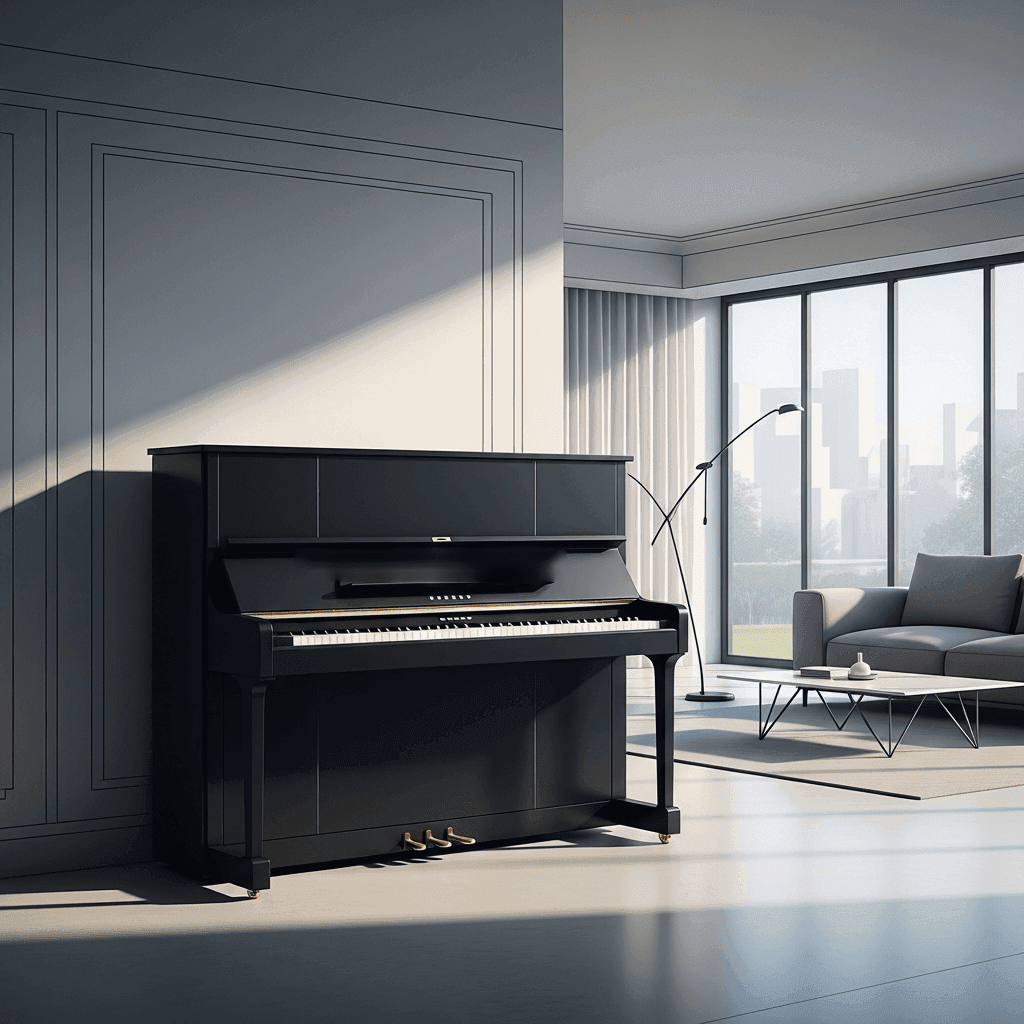
Modern living spaces demand instruments that are both functional and aesthetically pleasing, and today's digital pianos deliver on both fronts. Manufacturers have embraced minimalist design while maximizing functionality, creating instruments that serve as attractive furniture pieces when not in use.
Korg's G1 Air features an elegant music rest and a slim, wall-hugging profile that makes it a strong fit for apartments and small studios. Its understated design and rich three-grand-piano sound palette have kept it a popular choice among space-conscious players.
Casio's Privia PX-S7000 takes portability seriously with a slim keyboard unit, without compromising on key-action quality or sound. Its slim profile and distinctive dedicated stand make it an excellent choice for both home use and the stage.
For those seeking a learning-focused showpiece, Yamaha's CSP-295 combines a traditional cabinet with modern technology, featuring Stream Lights — LED guides that stream toward the keys to help players follow along with notes and timing — alongside CFX and Bösendorfer Imperial grand piano samples and a streamlined control layout that keeps the instrument looking like a classic acoustic piano.
Conclusion
The best digital pianos available in 2026 represent a strong blend of new flagship releases and established models that continue to lead their price bands. Whether you're drawn to powerful learning features, authentic key actions, or refined sound engines, there's never been a better time to invest in a digital piano.
The best digital piano for you ultimately depends on your needs, playing level, and budget — try a few models in person if you can before you buy. And once you've got an instrument at home, the fastest way to actually get good on it is consistent feedback: a free trial lesson with a real Tissimo piano teacher can help you build a practice plan around your new setup from day one.
Sources
- Yamaha USA - AvantGrand N3X Features
- Roland - Piano Reality Engineering
- Kawai USA - Sound Technology (Harmonic Imaging XL)
- Casio - Privia PX-S7000 / PX-S6000 Overview
- Kawai USA - Wooden Key Actions (Grand Feel III)
- Yamaha USA - CLP-885 Specifications
- Korg USA - G1 Air Digital Piano
- Yamaha USA - CSP-295 Overview
- Roland USA - FP-E50 Digital Piano
- Kawai USA - ES920 Digital Piano
- Kawai USA - Novus NV12 Hybrid Piano
- Kawai - Novus NV6 and NV12 Announcement