Back
Back
ACE Studio 2.0 Review: AI Vocal Synthesis Software for Producers Without a Singer
You wrote a killer vocal melody but you're not a singer — or your singer can't make it to the session. ACE Studio 2.0 lets you type the lyrics, draw the melody in MIDI, and get a natural-sounding AI vocal take back in seconds. Marketed in its subscription tiers as "Artist" and "Artist Pro," the software combines the precision of MIDI recording with the expressiveness of typed lyrics, and it works whether you're a producer filling a gap in a session or a hobbyist who's never recorded a vocal in your life.
Seamless MIDI Recording and Lyric Integration
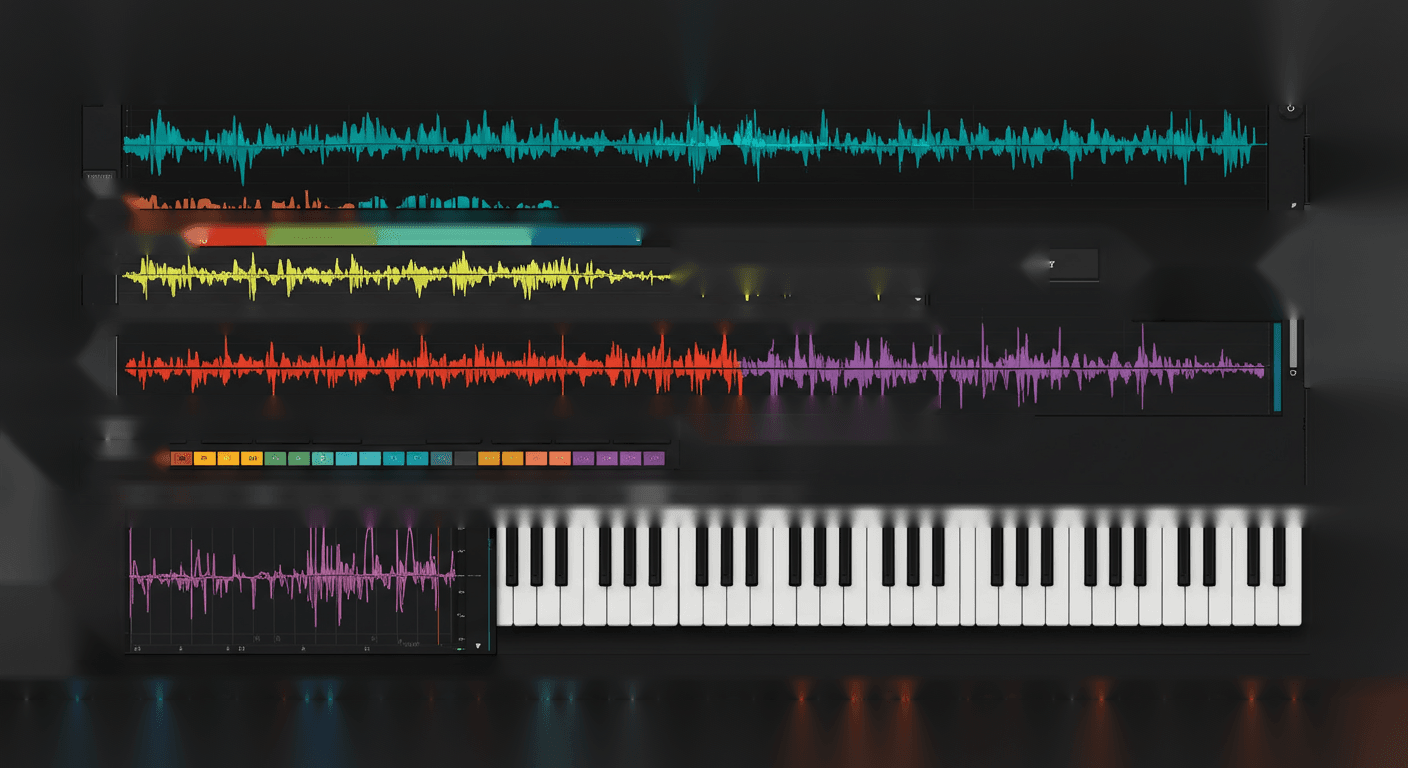
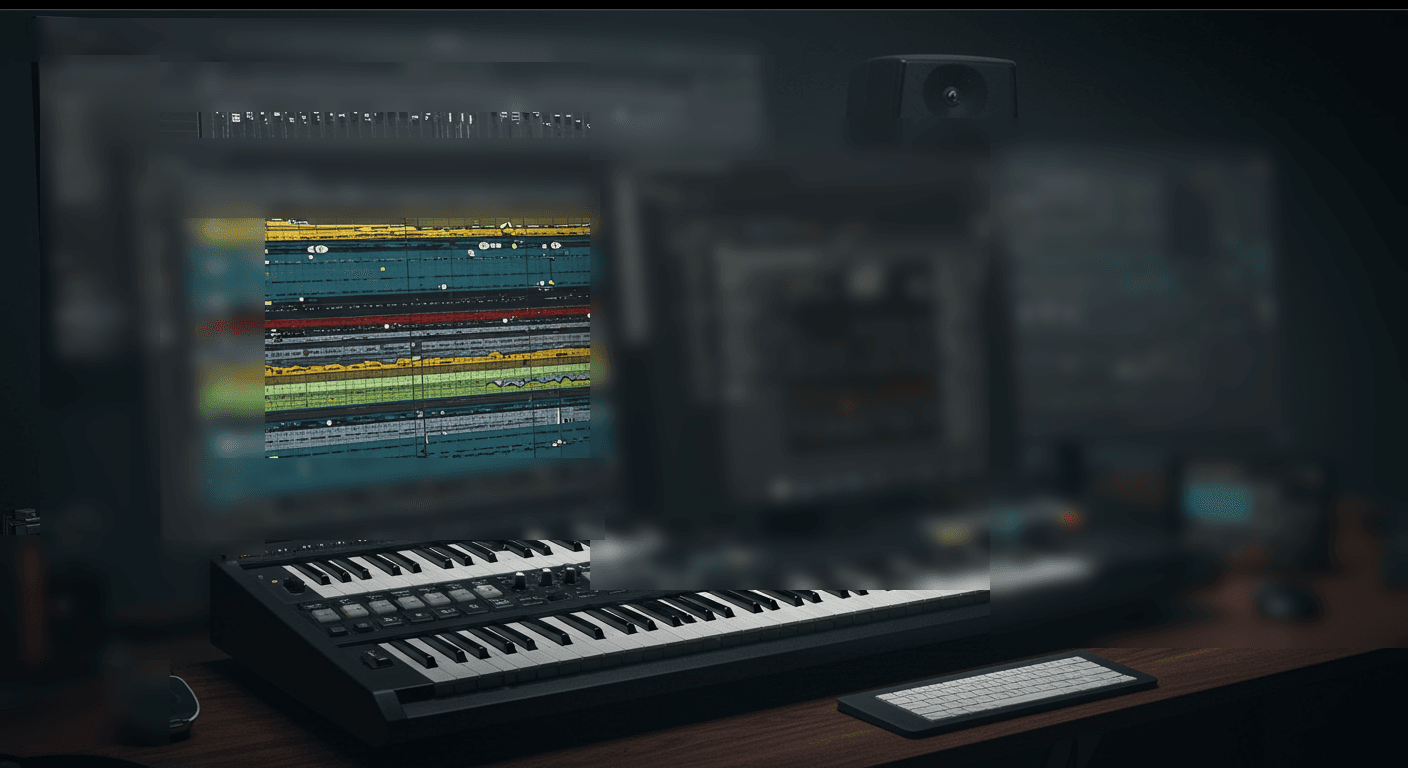
One of the standout features of ACE Studio 2.0 is its seamless integration of MIDI recording with lyric input. Unlike traditional vocal production methods, this software allows you to compose melodies using your MIDI controller or piano roll editor, then simply type in the corresponding lyrics. The AI engine intelligently maps the text to your melodic phrases, creating natural-sounding vocal performances that follow your exact musical vision.
Here's what that looks like in practice: draw a four-bar melody in the piano roll (or record it live from your MIDI controller), type a line of lyrics under each phrase, pick a voice model, and hit preview. ACE Studio maps the syllables to your notes and renders a sung take in a few seconds — no re-singing, no punch-ins, just an editable vocal track you can nudge, retune, or rewrite entirely by changing the MIDI or the text.
The MIDI-based workflow offers unparalleled flexibility in editing and perfecting vocal lines. You can easily adjust pitch, timing, and expression curves with surgical precision, all while maintaining the organic quality of human vocal performance. This approach eliminates the need for multiple recording takes and allows for rapid experimentation with different melodic ideas.
The software's phoneme recognition system ensures that lyrics are pronounced correctly and naturally, regardless of the language or complexity of the words. ACE Studio 2.0 supports eight languages: English, Chinese, Japanese, Korean, Spanish, Italian, French, and Portuguese. This feature is particularly valuable for producers working with multilingual projects or those who want to create vocal parts in languages they don't speak fluently.
How Does ACE Studio Compare to Vocaloid or Synthesizer V?
If you've used Vocaloid or Synthesizer V, the core workflow will feel familiar — draw a melody, add lyrics, generate a vocal — but the mechanics underneath are different. Vocaloid and Synthesizer V are built around hand-drawn parameter curves: you shape pitch bends, vibrato, and dynamics note-by-note (or phrase-by-phrase) yourself, which gives precise control but takes real technique to make sound natural. ACE Studio 2.0 instead generates a first-pass performance with AI-driven expression based on the voice model's own singing style, then hands you envelope tools to adjust it, so you start from something musical and edit toward what you want instead of building the whole performance parameter by parameter. In short: reach for Vocaloid or Synthesizer V if you want maximum manual control over every micro-detail of a performance; reach for ACE Studio if you want a natural-sounding starting point fast, with AI doing the expressive heavy lifting.
AI-Powered Voice Library and Customization
ACE Studio 2.0 launched with an extensive library of over 140 royalty-free AI voice models, and that lineup has since grown to more than 160 voices, each with its own unique character and tonal qualities. These voices are built in partnership with real, credited musicians, and rather than being simple samples they are powered by sophisticated neural networks that can adapt to any musical context. From powerful operatic sopranos to gritty rock vocals, the software covers a wide spectrum of vocal styles and genres.
The customization options are where the software truly shines. Users can fine-tune various vocal parameters including vibrato depth and speed, breathiness, vocal tension, and formant shifting. This level of control allows you to create entirely unique vocal characters or perfectly match the characteristics of a specific singer. The real-time preview feature lets you hear changes instantly, making the creative process fluid and intuitive.
Beyond individual voice customization, ACE Studio 2.0 supports advanced vocal layering and harmonization via its Choir Mode and Blend Voices features. You can create rich vocal arrangements with multiple voices singing in harmony, each with its own distinct timbre and expression.

Advanced Expression Control and Dynamics
Expression is the soul of vocal performance, and ACE Studio 2.0 excels in providing nuanced control over every aspect of vocal dynamics. The software features a comprehensive expression editor where you can draw curves for parameters like pitch bend, vibrato intensity, vocal tension, and breath control. These parameters can be automated and synchronized with your DAW, allowing for seamless integration with your existing production workflow.
The breath control feature deserves special mention. ACE Studio 2.0 gives you granular control over breathiness and breath placement, allowing you to simulate natural breathing patterns by adjusting timing, energy, and tension on individual phrases. You can add breath markers manually at musically appropriate moments to keep performances feeling alive and human.
Another powerful feature is the emotion control system. ACE Studio generates emotion parameters by AI based on the singing style of the selected voice, and you can then fine-tune them with envelope tools across different sections of your vocal performance. Key parameters — Air, Falsetto, Tension, Energy, and Formant — can all be shaped to convey the desired emotional delivery, from a vulnerable whisper to a powerful belt. Worth noting: this particular parameter set applies to ACE Studio's Verse24-and-earlier vocal synth models. If you're working with a newer Verse25+ voice, emotion controls are replaced by a different vocal-control system with its own parameters, so check which voice generation you've selected before dialing in an emotional performance.

Professional Mixing and Effects Tools
ACE Studio 2.0 goes beyond simple voice synthesis by including a suite of mixing and effects tools tailored to synthetic vocals. The built-in effects rack includes a three-band EQ, a dedicated Vocal EQ with preset tone curves, a compressor, a de-esser, a limiter, and a reverb — all designed to address the unique characteristics of AI-generated voices.
The reverb effect helps place synthetic vocals naturally in a mix, with preset spaces ranging from intimate rooms to larger acoustic halls. For anything the built-in rack doesn't cover, ACE Studio 2.0 supports third-party VST3 and AU plugins in its effects chain, so you can apply your favorite processors directly to the generated vocals.

Professional Integration and Workflow Features
ACE Studio 2.0 is designed to fit seamlessly into professional music production environments. DAW integration is handled via the ACE Bridge 2 plugin, available in VST3, AU, and AAX formats, making it compatible with all major digital audio workstations and keeping playback synchronized with your host. You can run multiple instances of the Bridge plugin simultaneously, perfect for creating complex vocal arrangements or working on different sections of a song concurrently.
The software includes comprehensive MIDI learning capabilities, allowing you to trigger and control AI vocals directly from your DAW's MIDI tracks in real time. This feature is particularly useful for producers who prefer hands-on control and a tight DAW-native workflow.
Project management is streamlined with the software's file handling system. All vocal data, including MIDI, lyrics, and expression parameters, can be saved as project files for easy recall and sharing. ACE Studio 2.0 also includes a project sharing feature that renders all tracks into separate audio stems and uploads them to your account cloud, where anyone with the link can preview the stems and lyrics on any device through a web-based stem player — handy for sending demos to collaborators or choir members for rehearsal feedback. Export options include high-quality WAV files as well as individual stems for full mixing flexibility.
Educational Benefits and Student Discount
For music students and educators, ACE Studio 2.0 offers invaluable learning opportunities. The software serves as an excellent tool for studying vocal technique, arrangement, and production without the need for live singers. Students can experiment with different vocal styles, practice harmonization, and develop their production skills in a controlled environment.
Recognizing the importance of making professional tools accessible to students, ACE Studio offers a 30% student and faculty discount on purchases. Full-time students and teachers can apply by contacting ACE Studio support with proof of enrollment or a .edu email address. This substantial saving makes the full professional feature set available to aspiring musicians and producers at a fraction of the regular cost.
The Artist Pro plan bundles the complete package: 160+ AI voice models, five voice cloning slots, roughly 660 minutes of generative AI usage per month, the ACE Bridge 2 DAW plugin, a stem splitter, and vocal-to-MIDI conversion. ACE Studio operates on a "rent for two years, access forever" model, and a lifetime license variant is also available through various music software retailers at around $528. Tissimo students looking to expand their production skills can take advantage of the educational discount alongside their lessons, giving them everything they need to start creating commercial-quality vocal productions.
But AI vocals can only take a production so far on their own — a synthesized voice still needs a strong melody, tasteful phrasing, and an arrangement that supports it, and that's where a real teacher earns their keep.
Conclusion
ACE Studio 2.0 is a genuine step forward for vocal production: MIDI-driven melody input, AI voice synthesis, deep expression control, and a built-in mixing suite in one package. It won't replace a singer's judgment or a producer's ear, but it removes the biggest blocker to trying a vocal idea at all — not having a voice on hand.
For students, the 30% educational discount offered directly by ACE Studio makes this technology remarkably accessible, and the ACE Bridge 2 plugin means it drops straight into whatever DAW you're already learning in.
AI vocals are a powerful sketching and production tool, but they still work best when the melody, phrasing, and arrangement behind them come from real musical judgment — the kind a 1-on-1 teacher helps you build. If you'd like guidance turning your own ideas into finished songs, find a music teacher on Tissimo and take the next step.